
- Start with clarity by understanding your pet’s ideal weight, body condition, and health risks before making any diet changes.
- Build a structured nutrition plan with accurate portion control, balanced food choices, limited treats, and professional guidance when needed.
- Support long-term weight management through regular exercise, enrichment, medical monitoring, and consistent veterinary checkups.
You see it slowly. A little less energy. A collar that fits tighter. A hesitation before jumping onto the couch. Weight gain in pets rarely happens overnight. It builds quietly, meal by meal, treat by treat. And before you realize it, your dog or cat is carrying more than just extra pounds. They are carrying extra strain on joints, organs, and overall health. Managing your pet’s weight is not about feeding less. It is about feeding smarter. It is about structure, awareness, and consistency.
If you want your pet to live longer, move comfortably, and feel their best every day, here is how to manage your pet’s weight and diet the right way.
1. Understand What a Healthy Weight Really Looks Like
Before adjusting food or increasing walks, you need clarity. Many pet owners genuinely believe their pet is at a normal weight because gradual gain is hard to notice. The first step is learning how to assess body condition accurately.
a. Learn to Use Body Condition Scoring
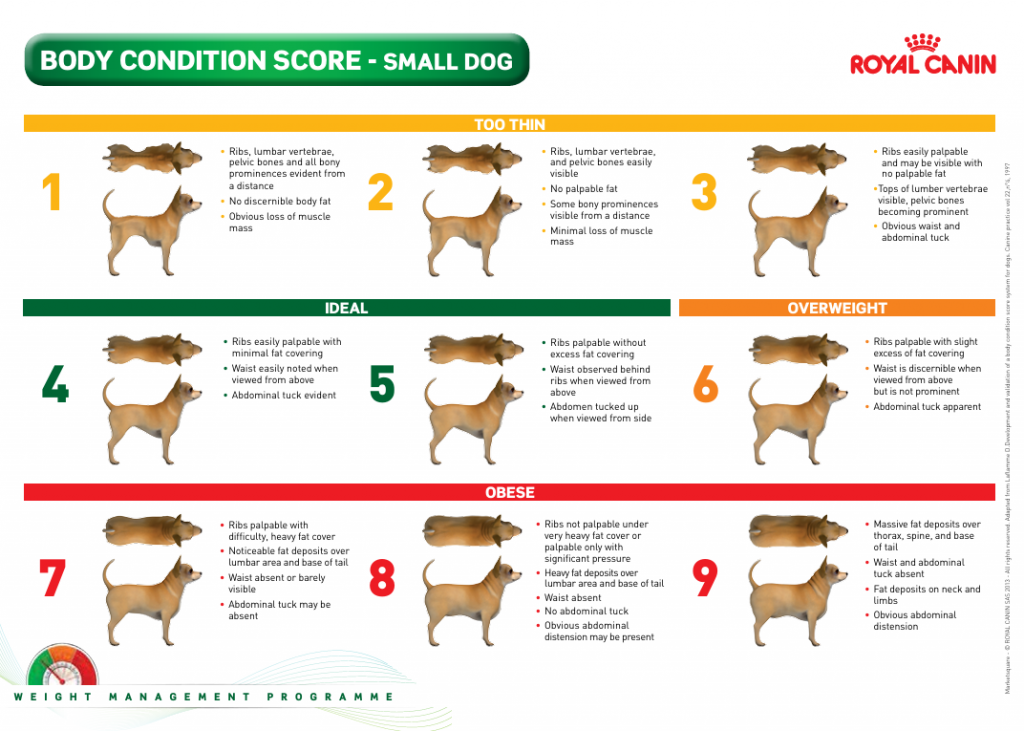
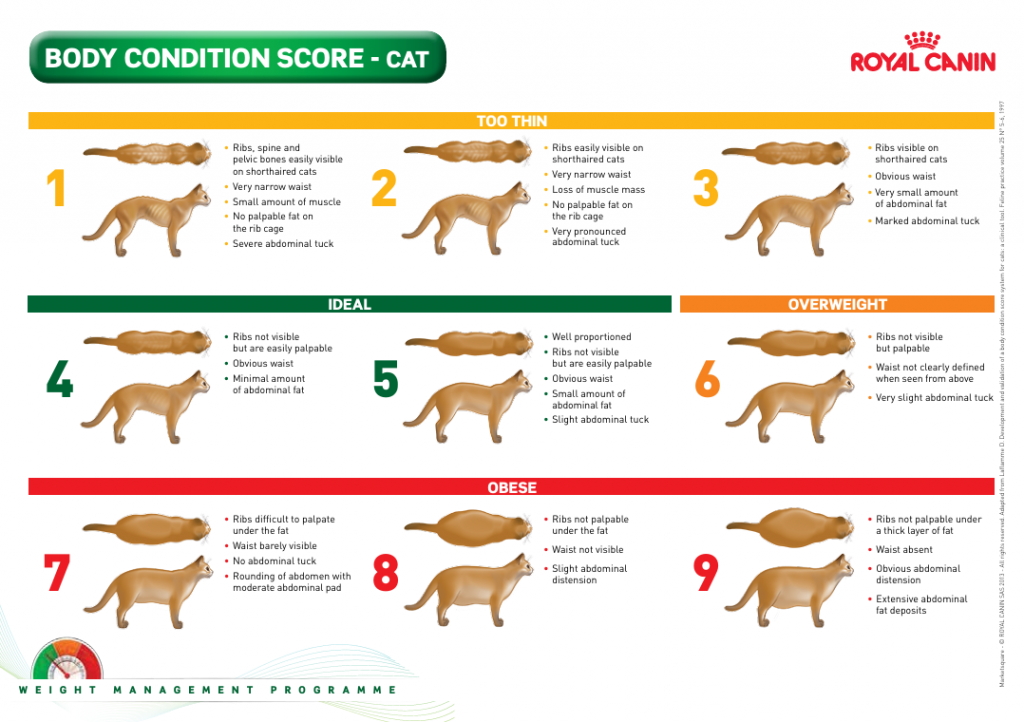
Veterinarians do not rely only on the scale. They use something called a Body Condition Score, or BCS, which evaluates fat coverage over ribs, waist definition, and abdominal tuck.
When you run your hands along your dog or cat’s ribcage, you should be able to feel the ribs without pressing hard, but they should not be visibly protruding. From above, there should be a slight waist. From the side, there should be a gentle tuck behind the ribcage.
This hands-on method gives you a clearer picture than weight alone. Two dogs may weigh the same, but their body composition can be very different. Muscle weighs more than fat, so visual and physical assessment matters.
b. Know Your Pet’s Ideal Weight Range
Every breed and individual pet has a healthy range. A Labrador Retriever and a Chihuahua do not share the same expectations. Even within breeds, size variation exists.
Your veterinarian can determine your pet’s ideal target weight based on breed standards, age, frame size, and overall health. This becomes your reference point. Without a defined goal, weight management becomes guesswork.
During your pet’s annual checkup, discussing weight trends year over year helps identify small changes early. Catching a two-pound gain in a small dog can prevent larger issues later.
c. Recognize Early Warning Signs
Weight gain shows up in subtle ways. Your pet may tire more quickly during walks. They may groom less effectively. Cats may stop jumping to higher surfaces. Dogs may avoid stairs.
These behavioural shifts often appear before obvious visual changes. Paying attention to energy levels and mobility gives you important clues that something needs adjusting.
Ignoring these early signals allows weight gain to compound. Addressing them early makes management much easier.
d. Understand the Health Risks of Extra Weight
Excess weight is not just cosmetic. It increases the risk of diabetes, arthritis, heart disease, respiratory strain, and even certain cancers.
In dogs, especially, added weight accelerates joint wear. In cats, obesity is strongly linked to diabetes and hepatic lipidosis. Fat tissue also creates low-grade inflammation throughout the body, which impacts long-term health.
Understanding these risks reframes weight management. It becomes preventative medicine, not simply portion control.
e. Work with Your Veterinary Team for a Baseline Plan
A professional assessment ensures you are not making adjustments blindly. At experienced veterinary clinics, weight management begins with evaluation. They look at lifestyle, current diet, treat habits, medical history, and activity level.
From there, they create a realistic plan. That may include calorie calculations, food adjustments, activity recommendations, or exploring prescription diets if medically appropriate.
Structure removes uncertainty. When you know where you are starting and where you are heading, the path becomes clearer.
2. Build a Nutrition Plan That Works in Real Life

Diet is the foundation of weight management. Exercise supports it, but food drives results. The key is creating a plan that is balanced, measured, and sustainable.
a. Measure Food Accurately
Eyeballing portions is one of the most common mistakes. A small overpour at each meal adds up over weeks and months.
Using a standard measuring cup is better than guessing, but a kitchen scale is even more precise. Dry kibble varies in density, and cup measurements can differ depending on how tightly packed the food is.
Precise portion control does not mean restriction. It means consistency. Your pet’s body responds to reliable intake.
b. Choose Nutritionally Balanced Diets
Not all pet foods are created equal. Look for diets that meet established nutritional standards and are formulated for your pet’s life stage.
Weight management diets are typically lower in calories but higher in fibre to promote fullness. They are designed to maintain muscle mass while reducing fat.
In cases involving medical conditions like kidney disease or diabetes, prescription diets may be recommended. These are formulated specifically to address health concerns while supporting safe weight control.
Selecting the right food should always involve professional guidance rather than marketing claims alone.
c. Rethink Treats and Table Scraps
Treats are often the hidden source of excess calories. A few small extras throughout the day can represent a significant portion of daily intake.
Treats should make up no more than 10 percent of total calories. Consider using part of your pet’s regular kibble as rewards. For dogs, small pieces of carrot or green beans can offer low-calorie alternatives. For cats, interactive play can replace food rewards entirely.
Table scraps are particularly problematic. Human foods are often high in fat and salt. Even small amounts can disrupt a balanced feeding plan.
Consistency at home matters. Everyone in the household needs to follow the same feeding rules.
d. Establish Structured Feeding Times
Free-feeding makes it difficult to monitor intake. Scheduled meals allow you to control portions and track appetite.
Feeding twice daily works well for most adult dogs. Cats often benefit from measured meals rather than constant grazing. Structured feeding also helps you notice changes in appetite early, which can signal health issues.
Routine provides predictability. Predictability supports weight stability.
e. Adjust Gradually and Monitor Closely
Rapid food reductions can lead to muscle loss or metabolic slowdown. Weight loss should be gradual and controlled.
For dogs, safe weight loss typically ranges from 1 to 2 percent of body weight per week. For cats, it is often slower, around 0.5 to 1 percent weekly.
Regular weigh-ins at your veterinary clinic help ensure progress stays on track. Adjustments can then be made carefully and safely.
3. Support Weight Management with Lifestyle and Long-Term Care
Food is powerful, but movement, environment, and medical monitoring complete the picture. Sustainable weight control is a lifestyle commitment.
a. Make Exercise Purposeful
Exercise should be consistent, not occasional. Daily walks for dogs are essential. Varying routes and introducing a gentle incline increase calorie burn safely.
For cats, interactive toys encourage movement. Wand toys, puzzle feeders, and climbing structures stimulate both body and mind.
Start slowly if your pet is overweight. Gradual increases prevent injury and build endurance safely.
b. Provide Mental Enrichment
Boredom often leads to overeating. Enrichment activities reduce that pattern.
Food puzzles slow down eating and add stimulation. Training sessions provide mental engagement while strengthening the human-animal bond.
A mentally satisfied pet is less likely to seek food out of habit rather than hunger.
c. Schedule Regular Weight Checks
Weight management is not a one-time effort. Regular monitoring keeps progress steady.
During your pet’s annual checkup, weight trends should be reviewed as part of the overall health assessment. For pets actively losing weight, more frequent weigh-ins may be recommended.
Tracking progress builds accountability and allows for timely adjustments.
d. Consider Underlying Medical Conditions
Sometimes, weight gain is not simply about calories. Hormonal conditions like hypothyroidism in dogs or certain medications can affect metabolism.
If weight gain occurs despite controlled feeding, diagnostic testing may be necessary. Addressing underlying causes ensures that weight management strategies are effective.
Ignoring medical contributors can lead to frustration and stalled progress.
e. Commit to Long-Term Maintenance
Once your pet reaches a healthy weight, maintenance becomes the focus. Calorie needs may increase slightly, but structure should remain.
Continue measuring portions. Maintain exercise routines. Monitor body condition regularly.
Weight regain is common when structure fades. Long-term success requires steady habits.
The Bigger Picture of Pet Wellness
When you commit to structured feeding, purposeful exercise, and consistent veterinary monitoring, you are investing in your pet’s longevity. You are reducing preventable disease and protecting comfort and vitality. The effort you put in today shapes how easily your pet runs, climbs, and plays tomorrow. Weight management is not a short-term fix. It is ongoing care rooted in attention and intention. With guidance, realistic goals, and steady follow-through, it becomes manageable and sustainable. And that is where real wellness begins.
Woodridge Veterinary Clinic provides thoughtful, evidence-based care to help your pet achieve and maintain a healthy weight with confidence. Get in touch for personalized nutrition guidance, weight assessments, and tailored plans that support your pet’s long-term health and energy.