
- Recognizing early signs of dental disease in pets can prevent pain, tooth loss, and serious systemic health issues.
- Subtle changes in eating, drooling, breath, or facial appearance often indicate oral health problems needing prompt veterinary attention.
- Woodridge Veterinary Clinic provides compassionate, professional dental care to keep pets healthy, comfortable, and enjoying life with their families.
Pets communicate in countless ways with tail wags, purrs, playful nudges, and those soulful eyes that seem to understand everything. What they cannot do, however, is tell us when their mouths hurt. Dental health often goes unnoticed in dogs and cats until a problem becomes advanced, which can lead to unnecessary pain and serious health risks.
Recognizing the early signs of dental problems is one of the most caring things you can do for your pet. It not only preserves their comfort and quality of life but can also prevent more severe issues that affect the heart, kidneys, and other organs.
Let’s explore the subtle and not-so-subtle signs that your dog or cat might be dealing with dental trouble and why timely action can make all the difference.
The Importance of Paying Attention to Dental Health
Dental care is not simply about fresh breath. In pets, the mouth can be a reflection of their overall health. When bacteria build up in the mouth, they don’t just stay there; they can enter the bloodstream, affecting internal organs.
A healthy mouth allows your pet to eat comfortably, play without pain, and maintain energy for daily activities. Ignoring signs of dental disease can lead to progressive problems, where simple cleanings are no longer enough, and surgical interventions become necessary.
The good news? Dental disease is often preventable when detected early, but you need to know what to look for.
Bad Breath That Lingers
Mild “doggy breath” or a faint fishy scent from a cat’s mouth can be normal after eating certain foods. But if your pet’s breath is consistently strong or foul, it could be a sign of bacterial overgrowth, gum infection, or tooth decay.
Bad breath is one of the earliest indicators of dental disease. In many cases, it stems from plaque and tartar buildup, which gradually inflames the gums and creates an ideal environment for bacteria. When left unchecked, these bacteria can damage tooth roots and cause painful abscesses.
Difficulty Eating or Chewing Differently
A pet that once crunched happily on kibble but now picks at it or drops food mid-chew might be telling you something. Dental discomfort can cause dogs and cats to favor one side of their mouth, chew slowly, or avoid hard treats altogether.
You may also notice:
- Food falling from the mouth while eating
- Preference for soft food, even if they previously enjoyed dry kibble
- Reluctance to pick up toys
Changes in eating habits are often overlooked, especially in multi-pet households where monitoring each animal’s intake can be tricky. Observing mealtime behavior closely can help you catch these shifts early.
Swollen or Bleeding Gums
Healthy gums should be a firm, bubblegum-pink color. Red, swollen, or bleeding gums indicate inflammation, often caused by gingivitis. Gingivitis is reversible if treated early, but if ignored, it can progress to periodontitis, which damages the structures supporting the teeth.
Bleeding gums are sometimes spotted after chewing toys or during tooth brushing, but bleeding without a clear cause should always prompt a veterinary visit.
Drooling More Than Usual
Some pets naturally drool when excited or anticipating food. However, excessive or sudden drooling, especially when paired with pawing at the mouth, can signal oral discomfort.
Causes might include:
- Broken or fractured teeth
- Oral ulcers
- Gum infections
- Foreign objects lodged between teeth
Excessive drool may also develop when swallowing is painful, causing saliva to pool in the mouth instead of being swallowed.
Pawing at the Face or Mouth
When dogs and cats experience mouth pain, they may try to relieve it by pawing at their face or rubbing their muzzle along the floor or furniture. This behavior is particularly telling if it appears suddenly and is repeated often.
While occasional scratching is normal, persistent pawing focused on the mouth area can mean something more serious is going on, such as a fractured tooth, gum abscess, or stuck debris.
Visible Tartar and Discoloration
Plaque starts as a soft film that can be brushed away, but when it hardens into tartar, it bonds firmly to the teeth. Tartar often appears yellow or brown, and in advanced cases, it may extend under the gumline, where it is harder to detect.
If you notice heavy discoloration on your pet’s teeth, especially near the gums, it’s a sign they likely need professional dental cleaning. Left untreated, tartar buildup accelerates gum disease and increases the risk of tooth loss.
Loose, Broken, or Missing Teeth
By the time a pet has loose or missing teeth, dental disease is usually advanced. These changes can be painful and may limit your pet’s ability to chew properly.
A tooth fracture, whether from chewing something too hard or from trauma, can expose sensitive nerves and allow bacteria to enter. Even if a broken tooth doesn’t appear to cause distress, it can lead to deep infections.
Swelling in the Face or Jaw
Facial swelling, especially around the eyes or jawline, may indicate a tooth root abscess, a painful infection deep in the tooth socket. This requires immediate veterinary attention, as the infection can spread quickly.
In some cases, swelling is accompanied by a visible lump on the gums or drainage of pus into the mouth. These situations are emergencies and should never be left untreated.
Weight Loss and Reduced Activity
Dental pain can affect a pet’s appetite, leading to gradual weight loss. A pet in discomfort may also become less active, avoiding play or exercise they once enjoyed.
Because these signs can also point to other health conditions, a veterinary examination is crucial to determine if dental disease is the cause.
When Dental Disease Affects More Than the Mouth
What happens in the mouth doesn’t stay there. Oral bacteria can travel through the bloodstream, affecting the heart, liver, and kidneys. Chronic inflammation caused by dental disease has been linked to systemic illnesses that can shorten your pet’s life.
This is why dental care should be part of your pet’s overall wellness plan, as it is about preserving not only their teeth but also their long-term health.
How to Monitor and Support Your Pet’s Dental Health
While professional dental exams are essential, you can also monitor your pet’s oral health at home. Regularly lift their lips and check for changes in gum color, tartar buildup, or broken teeth. If your pet is comfortable, gentle tooth brushing with a pet-safe toothpaste can help control plaque.
Five practical approaches can help maintain ongoing dental health:
Regular Professional Checkups
Your veterinarian can detect issues you might miss and recommend cleanings before problems escalate. Many pets benefit from annual dental exams, though some may need more frequent visits depending on breed, diet, and oral health history.
Consistent At-Home Brushing
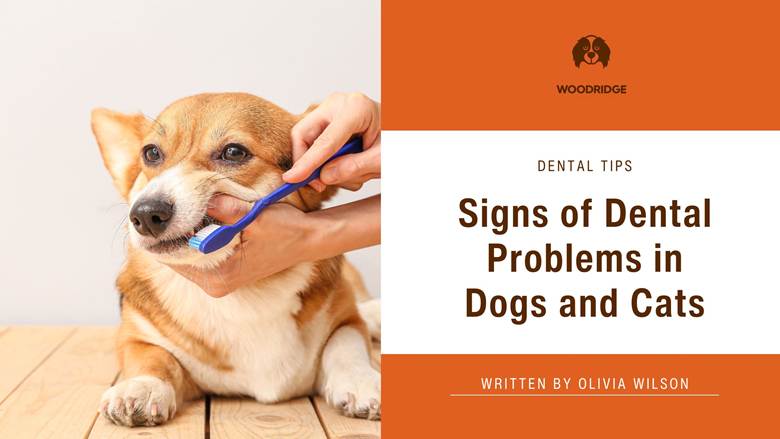
Daily or near-daily brushing with a toothbrush designed for pets helps remove soft plaque before it hardens into tartar. Start slowly to help your dog or cat feel comfortable with the process.
Safe Dental Chews and Toys
Chews and toys designed to reduce plaque can support oral health between professional cleanings. Choose items that are veterinarian-approved and appropriately sized to avoid choking hazards.

Dental-Supportive Diets and Additives
Special dental diets, treats, and water additives can reduce bacteria and slow plaque accumulation. Your veterinarian can recommend products suited to your pet’s specific needs.
Close Monitoring for Early Changes
Regularly observe your pet’s mouth for signs of redness, swelling, odor, or behavioral changes while eating or playing. Early detection of subtle shifts can lead to faster treatment and better outcomes.
Taking Action When You Notice Signs
If you observe any of the symptoms described, whether mild or severe, it’s best to schedule a veterinary appointment promptly. Early intervention can often reverse or slow dental disease, sparing your pet unnecessary pain and avoiding more complex treatments later.
Acting quickly also helps maintain your pet’s ability to eat comfortably and stay active, ensuring they enjoy the simple joys that make their life fulfilling.
Final Thoughts
Dental health in dogs and cats is an often-overlooked aspect of their care, yet it has a profound impact on their comfort, happiness, and longevity. By learning to recognize the signs of dental trouble early, you give your pet the best chance at a healthy, pain-free life.
A little vigilance, combined with professional care and at-home maintenance, can make all the difference. Our pets rely on us for their well-being, and keeping their smiles healthy is one of the most tangible ways we can return their unconditional love.
Protect your pet’s smile and overall health with gentle, thorough dental care from Woodridge Veterinary Clinic. Schedule a dental checkup today to address early signs and keep your dog or cat comfortable, healthy, and happy for years to come.