
Every pet owner knows that moment, the sudden pause, the tilt of the head, the uneasy feeling of “something isn’t right.” Pets can’t tell us what hurts, so even small changes can feel big. A dog that refuses breakfast, a cat that won’t put weight on a paw, a sudden sneeze fit that seems more aggressive than usual, these are the everyday moments that send owners searching for answers. Emergencies don’t always announce themselves loudly. Sometimes, they start quietly and escalate quickly.
Here is how to understand the most common pet emergencies, recognize when something is escalating, and take steady, confident action when your pet needs you most.
1. Everyday Emergencies That Need Prompt Attention
These are the situations most owners face at least once, and they’re the ones that create the most stress because they look mild, but require attention. Understanding these helps you get help sooner and avoid complications.
a) Sudden Digestive Upsets or Changes in Appetite
Vomiting, diarrhea, constipation, or refusing food for more than a day can signal anything from a simple irritation to a possible obstruction. If your pet has eaten something unusual, started a new treat, or wandered into the garbage, these symptoms can appear quickly. Monitor hydration, note changes in energy, and seek guidance if symptoms persist or worsen. Consistent digestive issues often require the support of an experienced veterinary team to identify the root cause early rather than waiting for it to escalate.
b) Dog Flu and Sudden Fever
Coughing, nasal discharge, tiredness, and appetite changes can mean your dog is battling an infection like dog flu. Because symptoms develop fast, pets can become dehydrated or lethargic before owners realize it’s more than “just a cold.” Early assessment helps prevent complications and keeps your pet comfortable. Mild respiratory issues may appear small but can turn serious, especially in older pets or those with existing conditions.
c) Limping, Sudden Mobility Issues, or Difficulty Standing
A skipped step, a refused jump, or favouring one leg can signal soft-tissue injuries, sprains, early arthritis, or even fractures. Even if your pet still walks, limping is their version of saying “something hurts.” Avoid letting them jump or run until examined because continuing normal activity can worsen injuries. Veterinary diagnostic imaging is often needed to clearly understand what’s happening beneath the surface.
d) Eye Redness, Squinting, or Discharge
Eyes are sensitive, and even small issues can turn into emergencies within hours. Squinting, pawing at the eye, sudden cloudiness, or excessive tearing can indicate scratches, infections, or foreign objects. Delaying care can risk long-term damage. Because eyes heal and worsen quickly, timely evaluation ensures the best outcome.
e) Emergency Dental Trauma
Broken teeth, bleeding gums, or swelling around the mouth often stem from chewing something too hard or an unnoticed accident. Pets hide mouth pain exceptionally well, so visible signs usually mean the discomfort is significant. Emergency dental trauma can escalate into infections or abscesses if ignored. A quick exam helps relieve pain and prevent systemic infection.
2. When Mild Symptoms Become More Serious Emergencies
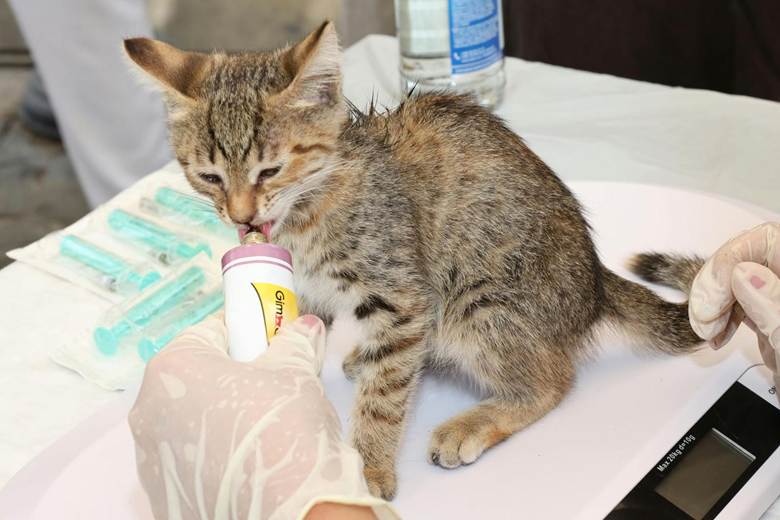
Some emergencies escalate slowly. Others appear suddenly and require immediate, decisive action. And while these situations may sound severe, they are actually more common in pets than most owners realize, which is why knowing the early signs helps you react quickly and confidently. These are the cases where fast intervention protects your pet’s health and prevents small issues from becoming life-threatening.
a) Trouble Breathing or Rapid, Noisy Breathing
If your pet is breathing heavily at rest, stretching their neck to breathe, wheezing, or showing bluish gums, treat it as urgent. Breathing trouble limits oxygen, and pets can deteriorate quickly. Immediate examination enables targeted care and supportive oxygen if needed.
Breathing distress often develops quietly at first, so even mild changes in rhythm are worth paying attention to. Early detection prevents complications and allows your vet to act before your pet becomes panicked or exhausted.
b) Collapse, Fainting, or Extreme Weakness
Sudden collapse can stem from heart conditions, internal bleeding, metabolic disorders, or heat-related distress. Even if your pet stands up again, collapsing is never normal and should be evaluated as soon as possible. Documentation of when it occurred and what your pet was doing helps guide fast decision-making.
Pets often mask symptoms until they physically can’t anymore, making collapse one of the clearest signs that something deeper is happening. Quick action ensures your vet can stabilize your pet early and prevent further decline.
c) Ingestion of Toxins or Foreign Objects
Chocolate, raisins, medications, cleaning supplies, toys, socks, and string can all create dangerous situations. Time is critical with poisons and obstructions. Do not wait to “see if it passes.” Bring the item or packaging, if possible, as it helps determine the safest treatment quickly.
Pets frequently explore the world with their mouths, which is why toxin ingestion is one of the most common emergency calls clinics receive. Acting quickly helps prevent absorption of harmful substances and lowers the need for intensive treatment.
d) Seizures or Neurological Signs
Seizures, sudden disorientation, head tilting, or circling may indicate neurological emergencies. Even a single seizure warrants prompt care, while multiple episodes in a short time require immediate attention. Video clips can be incredibly helpful for your veterinary team.
Neurological signs often catch owners off guard because they appear dramatic, but many conditions behind them are treatable when addressed promptly. Clear footage and fast reporting allow vets to pinpoint the cause and stabilize your pet sooner.
e) Severe Vomiting, Bloating, or a Hard, Swollen Abdomen
In large dog breeds, a swollen abdomen plus restlessness, drooling, or unsuccessful attempts to vomit can indicate bloat, a critical emergency requiring immediate care. For cats and small dogs, sudden abdominal swelling may signal internal problems that can worsen quickly. Early evaluation, including diagnostic services, helps determine next steps efficiently.
Abdominal changes often progress rapidly, so catching them early dramatically improves treatment outcomes. Because pets can’t show where it hurts, watching for discomfort, pacing, or unusual posture helps you identify internal trouble sooner.
3. What to Do While You’re on the Way to the Clinic
Knowing these steps helps you stay focused and give your pet the steady support they need during a stressful moment. Even small actions on the way can make your vet’s job easier and keep your pet safer until you arrive.
a) Keep Your Pet as Still as Possible
Movement can worsen pain, bleeding, or internal injuries. Support them gently and limit jumping or walking during transport.
A calm, steady position helps prevent sudden jolts that could aggravate the underlying issue. Pets often mirror your energy, so speaking softly and keeping the atmosphere relaxed helps slow their stress response while you travel.
b) Use Towels, Blankets, or a Carrier for Support
Soft bedding prevents slipping and adds a sense of security. Cats often calm down inside a covered carrier, while dogs benefit from stable surfaces.
A towel rolled behind the back or under the chin can help injured pets stay supported without straining themselves. These simple adjustments stabilize the body, reduce anxiety, and make the trip safer for pets who feel disoriented or uncomfortable.
c) Avoid Home Remedies
Well-meaning solutions like peroxide, essential oils, pain medications, or herbal products can do more harm than good. Stick to the guidance your veterinary team provides over the phone.
Many household remedies interact unpredictably with veterinary medications or worsen internal issues that aren’t visible yet. It’s always safer to keep things neutral and avoid adding anything to your pet’s system until a professional examines it.
d) Bring Helpful Information
Medication details, recent behavioural changes, videos of symptoms, or the item your pet ate can speed up diagnosis. Even small details make a difference.
Photos of vomit, stool changes, or the chewed-up object (if ingestion is suspected) give your vet immediate context. These tiny clues allow for faster triage and help your vet determine the right diagnostic imaging or tests without delay.
e) Call Ahead if You Can
It allows the team to prepare for your arrival, especially if your pet needs oxygen, triage, or specialized care immediately.
When clinics know you’re coming, they can gather equipment, clear exam space, and alert their medical team so care begins the moment you walk in. Even a short heads-up can shave minutes off the process, minutes that matter during an emergency.
Where Steady Guidance Makes All the Difference
Pets don’t expect you to have all the answers. They only look to you for comfort, calm, and the reassurance that you’re there. When you understand what’s normal, what’s urgent, and what needs immediate care, you become their source of stability in the moments that feel uncertain. Emergencies feel less overwhelming when you know what steps to take and who to call. With the right information, you’re not reacting, you’re responding with clarity, confidence, and genuine care.
Woodridge Veterinary Clinic is your dedicated partner in keeping your pets safe, healthy, and supported through life’s unpredictable moments. Get in touch for guidance, reliable care, and an expert team ready to help whenever your pet needs you most.